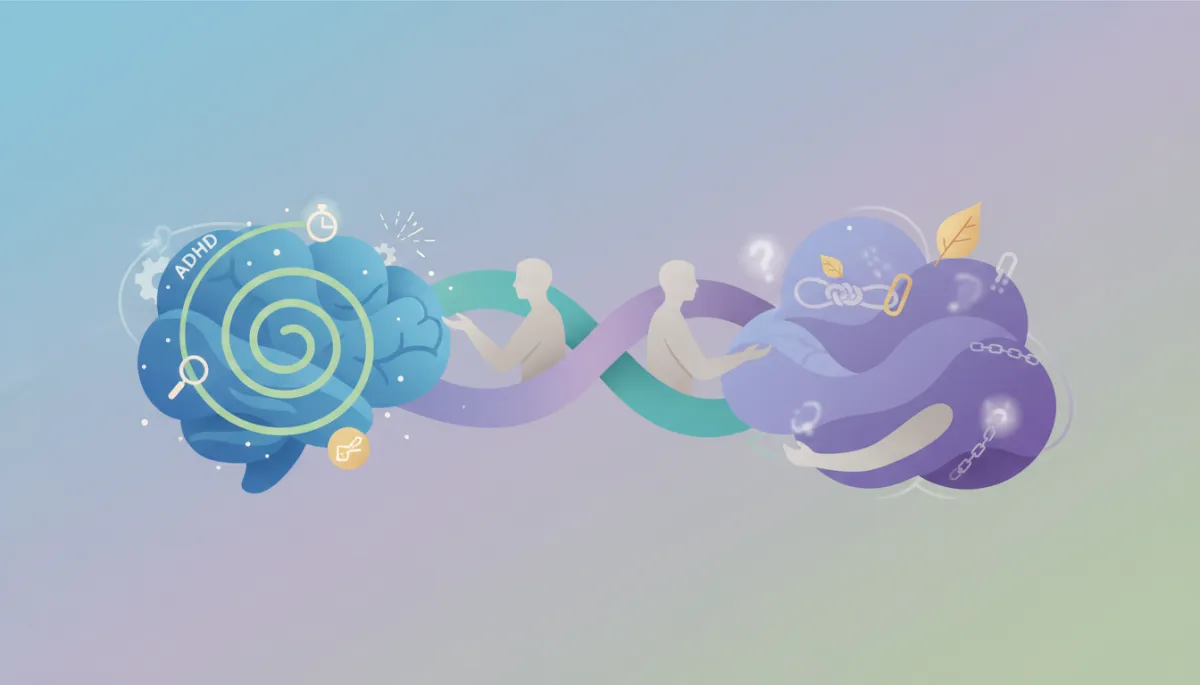
ADHD vs. Anxiety: Understanding Key Differences
Mental Health, ADHD, Anxiety, Emotional Regulation, Neurodevelopmental Disorders
ADHD vs. Anxiety: Why They Feel Similar—but Aren’t the Same
If you constantly feel restless, overwhelmed, and unable to focus, it’s easy to wonder: is this ADHD, anxiety, or both? The symptoms can blur together so much that even mental health professionals need time and careful assessment to tell them apart. Yet understanding the differences between ADHD and anxiety is deeply important—for getting the right support, choosing effective strategies, and offering yourself real compassion instead of blame.
Why ADHD and Anxiety Often Feel So Similar
Many people first seek help because they feel “on edge” and “all over the place.” They might struggle with focus issues, forget appointments, or feel their thoughts racing at night. These experiences can come from ADHD (Attention-Deficit/Hyperactivity Disorder), from anxiety, or from both together. On the surface, they can look almost identical: restlessness, difficulty concentrating, emotional ups and downs, and exhaustion from constantly trying to “keep it together.”
A compassionate starting point is to remember that neither ADHD nor anxiety is a character flaw. Both are tied to how the brain processes information, emotions, and stress. They are about Mental Health and neurodevelopmental differences, not laziness, weakness, or a lack of willpower. When symptoms overlap, it’s not because you’re “dramatic” or “making excuses”—it’s because your nervous system is working in a way that genuinely makes life harder.
Core Differences Between ADHD and Anxiety
1. What’s Driving the Symptoms?
A helpful way to distinguish ADHD from anxiety is to ask: what is at the core of this experience? With ADHD, the root is usually about how the brain manages attention, motivation, and impulse control. With anxiety, the core is fear—worrying about what could go wrong, what others think, or how to stay safe in a world that feels threatening or unpredictable.
ADHD: The nervous system has trouble regulating attention and activity. You might jump between tasks, forget steps, or act quickly without thinking, not because you don’t care, but because your brain struggles to filter and prioritize information.
Anxiety: The nervous system is stuck in “what if?” mode. Thoughts loop around worst-case scenarios. Your body may feel tense or on high alert, as if danger is nearby—even when you’re technically safe.
Both can lead to procrastination, difficulty finishing tasks, and emotional burnout, but the inner experience is different. Someone with ADHD might forget to start a task because their attention is pulled elsewhere. Someone with anxiety might avoid starting because they are terrified of failing or making a mistake.
2. ADHD: A Neurodevelopmental Disorder of Regulation and Focus
ADHD is classified as a neurodevelopmental disorder, meaning it’s linked to how the brain develops and functions over time. It usually begins in childhood, even if it isn’t recognized until adulthood. The core challenges are with regulating attention, activity level, and impulses. This can look like:
Difficulty sustaining attention on tasks that are boring, repetitive, or not immediately rewarding
Hyperfocus on things that are interesting, sometimes losing track of time completely
Forgetfulness, disorganization, and frequently misplacing items like keys, phones, or important papers
Impulsive decisions, blurting things out, or acting before fully thinking through consequences
Emotional regulation is also deeply affected. Many people with ADHD feel emotions very intensely and may move quickly from calm to overwhelmed. They may be told they are “too sensitive” or “overreacting,” when in reality their brain is simply wired for strong, fast emotional responses. This can be painful, especially when others don’t understand that these reactions are not chosen, but experienced.
3. Anxiety: A Mental Health Condition Rooted in Fear and Worry
Anxiety, in contrast, is primarily about fear and worry. It can show up as generalized anxiety, social anxiety, panic attacks, or other specific forms. While everyone feels anxious sometimes, an anxiety disorder means that worry is frequent, intense, and hard to control. Common experiences include:
Racing thoughts about all the things that could go wrong or have gone wrong
Physical symptoms such as tight muscles, nausea, sweating, or a pounding heart
Avoidance of situations that feel scary, overwhelming, or socially risky
Overthinking small decisions and replaying conversations long after they end
Anxiety can absolutely affect focus—it is hard to concentrate when your body is braced for danger. But in anxiety, the difficulty focusing usually comes from intrusive worries and a sense of threat, rather than from the brain’s core attention systems being wired differently, as in ADHD.
How ADHD and Anxiety Can Look Almost Identical from the Outside
From the outside, both ADHD and anxiety can show up as missed deadlines, disorganization, and emotional overwhelm. This is one reason people are often misdiagnosed—or go undiagnosed—for years. Let’s look at some of the overlapping symptoms and what might be happening underneath them.
Overlapping Symptom: Trouble Focusing
In ADHD: Focus drifts because the brain struggles to filter distractions or stay engaged with low-interest tasks. You might daydream, jump between tabs, or start multiple projects but finish few.
In Anxiety: Focus is hijacked by worries. You may read the same sentence over and over because your mind is replaying fears about the future or past.
Overlapping Symptom: Restlessness and Agitation
In ADHD: Restlessness often feels like internal motor energy. You may fidget, tap your foot, or feel physically uncomfortable sitting still, even when you’re not worried about anything specific.
In Anxiety: Restlessness feels more like tension and unease. Your body may be wired and jumpy because it’s bracing for something bad to happen.
Overlapping Symptom: Procrastination and Avoidance
In ADHD: You might delay tasks because starting feels like pushing through heavy mud. The task doesn’t trigger your brain’s motivation system, so you end up scrolling, tidying, or bouncing to something more stimulating instead.
In Anxiety: You might avoid tasks because they feel frightening—what if I fail, look foolish, or disappoint someone? Procrastination becomes a way to temporarily escape that fear, even though it creates more stress later.
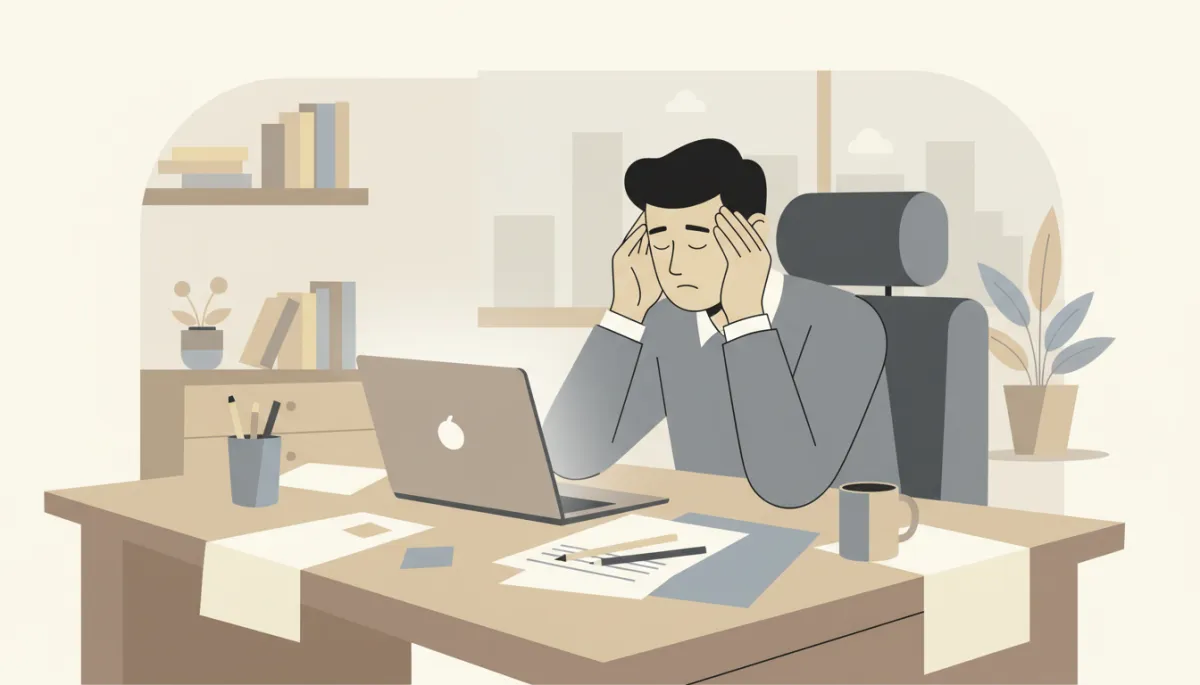
Focus issues can stem from ADHD, anxiety, or both—and deserve gentle curiosity.
Overlapping Symptom: Emotional Ups and Downs
Both ADHD and anxiety can make emotions feel big and hard to manage. With ADHD, emotional reactions often come quickly and intensely, then fade. With anxiety, feelings of dread or worry can linger for hours or days. In both cases, people may feel ashamed of their reactions, especially if they’ve been told to “calm down” or “stop overthinking” without anyone noticing the underlying conditions affecting their emotional regulation.
When ADHD and Anxiety Show Up Together
ADHD and anxiety don’t just overlap; they often coexist. Many people with ADHD develop anxiety over time because of years of missed deadlines, criticism, and feeling “behind” or “not good enough.” Imagine growing up constantly being told you’re careless or lazy, when in reality your brain is wired differently. It’s understandable that anxiety would grow from that kind of experience.
At the same time, someone with longstanding anxiety may appear scattered or unfocused simply because their mind is always juggling fears. They may worry they have ADHD when what they’re really experiencing is a brain overloaded by constant stress. Only a careful, compassionate assessment by a qualified professional can untangle these threads and clarify what’s happening.
💡 Gentle reminder: Having ADHD, anxiety, or both says nothing about your worth as a person. These are conditions, not identities or verdicts on your value.
Why Getting the Differences Right Matters for Support and Treatment
Understanding whether you’re dealing with ADHD, anxiety, or both is not just a label issue—it directly shapes what kind of help will be most effective. When the underlying condition is misunderstood, people can end up with strategies that don’t fit, and then blame themselves when those strategies fail.
Different Brains, Different Tools
For primarily ADHD-related challenges: Support often focuses on structure, external reminders, breaking tasks into smaller steps, and sometimes medication that helps regulate attention and impulse control. Coaching, occupational therapy, and ADHD-informed counseling can help build realistic systems rather than relying on “just try harder.”
For primarily anxiety-related challenges: Support may center on therapy approaches like cognitive-behavioral therapy (CBT), mindfulness, grounding techniques, and sometimes medication that helps reduce physical and emotional symptoms of anxiety. The goal is to calm the nervous system and gently challenge anxious thought patterns.
When both ADHD and anxiety are present, a blended approach is usually needed. For example, someone might benefit from ADHD medication and organizational tools, and from therapy that addresses self-criticism, perfectionism, and chronic worry. There is no one-size-fits-all plan; the most compassionate support is tailored to the whole person.
Reducing Self-Blame and Shame
Misunderstanding ADHD and anxiety doesn’t just affect treatment—it also shapes how people talk to themselves. Someone with undiagnosed ADHD might think, “Everyone else can do this; I must just be lazy.” Someone with untreated anxiety might believe, “I’m too sensitive; I should be able to handle this like everyone else.” These beliefs can be deeply painful and isolating.
Naming what’s really going on can be an act of self-kindness. Realizing that your struggles with focus issues, emotional regulation, or worry have understandable roots in Mental Health and neurodevelopmental disorders can soften harsh inner narratives. You are not broken; your brain simply works differently, and that different wiring requires different kinds of care.
Helping Loved Ones Offer Better Support
When friends, partners, or family members understand the differences between ADHD and anxiety, they can respond more helpfully. Instead of saying, “Just calm down,” they might offer grounding support for anxiety—like listening without judgment or helping you slow your breathing. Instead of saying, “Why can’t you just remember?” they might help set up shared calendars, gentle reminders, or ADHD-friendly routines that don’t rely on willpower alone.
Compassionate understanding shifts the focus from blame to collaboration: “How can we work with your brain, not against it?” This kind of support can make a profound difference in how manageable everyday life feels.
Gentle Questions to Help You Reflect on Your Experience
While only a professional can diagnose ADHD or anxiety, reflecting on your own inner world can be a powerful first step. You might ask yourself:
When I struggle to focus, is my mind drifting to anything and everything—or specifically to worries and fears?
Have I struggled with attention, organization, or impulsivity since childhood, even in times when I wasn’t especially stressed or anxious?
Do I often feel like I’m “on fast-forward” emotionally, reacting quickly and intensely, or more like I’m stuck in loops of worry that are hard to escape?
When I think about getting help, do I feel more drawn to support with organization and focus, or to tools for calming my body and challenging anxious thoughts—or both?
Your answers are not a diagnosis, but they can guide conversations with a therapist, doctor, or other mental health professional. Sharing specific experiences—rather than just saying “I’m stressed” or “I’m overwhelmed”—can help them see the fuller picture of what you’re living with.
Moving Forward with Compassion and Clarity
ADHD and anxiety can both make daily life feel heavier than it needs to be. They can complicate work, relationships, and even simple tasks like answering emails or getting out the door on time. When they overlap, it can feel like your mind and body are pulling in different directions at once—restless, worried, scattered, and exhausted, all at the same time.
Understanding the core differences between these conditions is not about putting yourself in a rigid box. It’s about finding language that matches your lived experience, so you can seek support that truly fits. It’s about recognizing that focus issues and emotional regulation challenges are real, valid, and worthy of care—whether they stem from ADHD, anxiety, or both.
If you see yourself in any of what you’ve just read, consider this an invitation—not to self-diagnose, but to be curious and kind with yourself. You deserve to understand your own mind. You deserve support that honors the full complexity of your Mental Health and your unique brain. And you deserve to move through the world with less shame and more compassion, knowing that what you’re facing is not a personal failure, but a human experience that can be met with care, skill, and understanding.
Reaching out to a mental health professional who understands both neurodevelopmental disorders like ADHD and anxiety conditions can be a powerful next step. Whether you’re just beginning to wonder about your symptoms or you’ve been searching for answers for years, you are not alone—and there is nothing wrong with needing help to navigate your own mind. That need is not weakness; it is a sign of courage and self-respect.
