Understanding Deeper Attraction in Relationships
Relationships, Emotional Health, Attachment Patterns
Attraction Is Deeper Than You Think
By Compassionate Heart Counseling — exploring why we are drawn to certain people, what that says about our inner world, and how awareness can gently redirect us toward safer, more fulfilling love.
Attraction as a Mirror of Your History and Unhealed Wounds
Attraction can feel mysterious, almost magical. But beneath the spark is a complex web of history, needs, and unhealed wounds. We are rarely drawn to people at random. Instead, our nervous system quietly asks: Does this person feel familiar? Do they fit the template I learned in my earliest relationships?
If you grew up with emotional distance, chaos, or inconsistency, you may unconsciously associate love with working hard to be chosen or soothing someone else’s pain. When you meet someone who recreates that dynamic, your body may respond with intense chemistry, even if your mind knows it is not good for you. In this way, attraction often reflects what is unresolved rather than what is healthy.
We are also drawn toward people who seem to meet our unmet needs. If you longed for safety, you might be pulled toward someone steady and calm. If you craved validation, you might seek out charisma and attention. Neither is wrong in itself, but when those needs are rooted in old wounds, they can lead us into relationships where we abandon ourselves just to keep the connection alive.
Love Addiction and Love Avoidance: Two Common Attraction Patterns
Two patterns often show up in the clients we see at Compassionate Heart Counseling: love addiction and love avoidance. They may sound opposite, but they are different responses to similar attachment wounds.
Love addiction is an intense, compulsive pull toward connection. You may fall fast, overlook red flags, and feel panicked at any sign of distance. The relationship becomes a way to soothe anxiety, fill emptiness, or prove your worth. Underneath is often a deep fear of abandonment and a belief that you are only lovable when someone chooses you.
Love avoidance looks like the opposite: pulling away when things get close. You may crave intimacy, but once someone cares for you, you feel trapped, smothered, or suspicious. You may choose unavailable partners, stay half-in and half-out, or keep your heart behind a wall. Underneath is often a fear of being engulfed, controlled, or hurt again.
These two styles are frequently attracted to each other. The love-addicted partner pursues; the love-avoidant partner distances. Each person’s behavior quietly confirms the other’s deepest fears about love, creating a cycle that feels passionate but deeply painful.
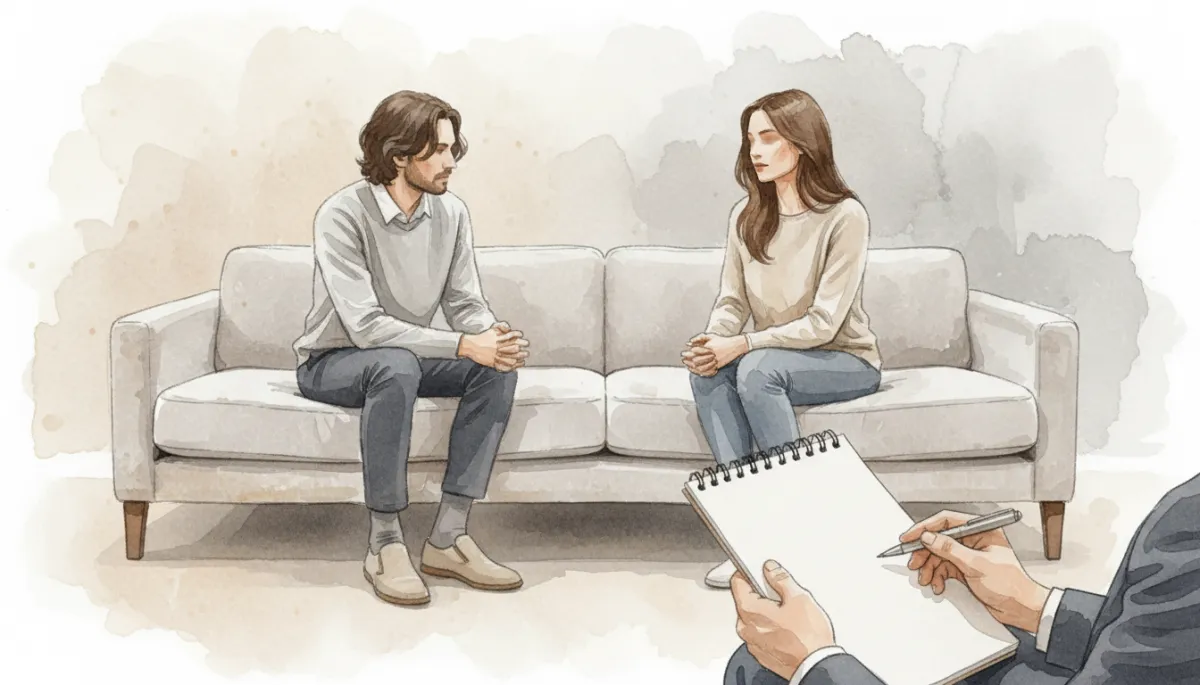
Naming love addiction and avoidance is often the first step to changing painful cycles.
Breaking Toxic Cycles Through Understanding and Awareness
When you begin to see your attraction patterns clearly, you gain choice. Instead of asking, “Why am I like this?” you can ask, “What is this pattern trying to protect in me?” This shift from self-blame to curiosity is powerful. It allows you to notice when you are chasing intensity instead of safety, or when you are shutting down instead of speaking your needs.
Understanding love addiction and love avoidance does not mean judging yourself; it means recognizing that your strategies made sense in the context of your history. They helped you survive. But what once kept you safe may now be keeping you stuck in toxic cycles—choosing partners who cannot meet you, repeating familiar hurt, or feeling like healthy love is “boring” because it does not activate old anxiety.
💡 Gentle Reframe: If you feel drawn to chaos and pushed away by calm, it does not mean you are broken. It means your nervous system has been trained to confuse intensity with love.
With support, you can begin to choose differently: pausing when you feel swept away, asking more questions before diving in, or staying present when your first impulse is to run. Each small act of awareness weakens the hold of old patterns and opens space for healthier relating.
Shifting Attraction Toward Emotional Availability and Safety
Healing does not erase attraction; it reshapes it. As you tend to your wounds—through therapy, self-compassion, and healthier boundaries—your internal “radar” begins to change. What once felt exciting but unsafe may start to feel draining. What once felt dull may begin to feel grounding, kind, and deeply nourishing.
This is the quiet miracle of healing: over time, you become more drawn to people who are emotionally available—those who can listen, repair, and stay present with your feelings. You also become more willing to offer that same presence to yourself, which reduces the pressure on any partner to “fix” your pain. Attraction shifts from chasing chemistry to recognizing consistency, safety, and mutual care as profoundly attractive qualities.
At Compassionate Heart Counseling, we believe that awareness is the doorway to choice, and choice is the doorway to healthier love. When you understand how your history, needs, and unhealed wounds shape your attraction, you are no longer destined to repeat the same story. You can write a new one—rooted in emotional safety, mutual respect, and a love that allows both people to grow.
If you recognize yourself in these patterns, you are not alone—and you are not beyond repair. With compassionate support, it is possible to understand your attraction, heal what hurts, and move toward relationships that feel as safe as they are loving.
