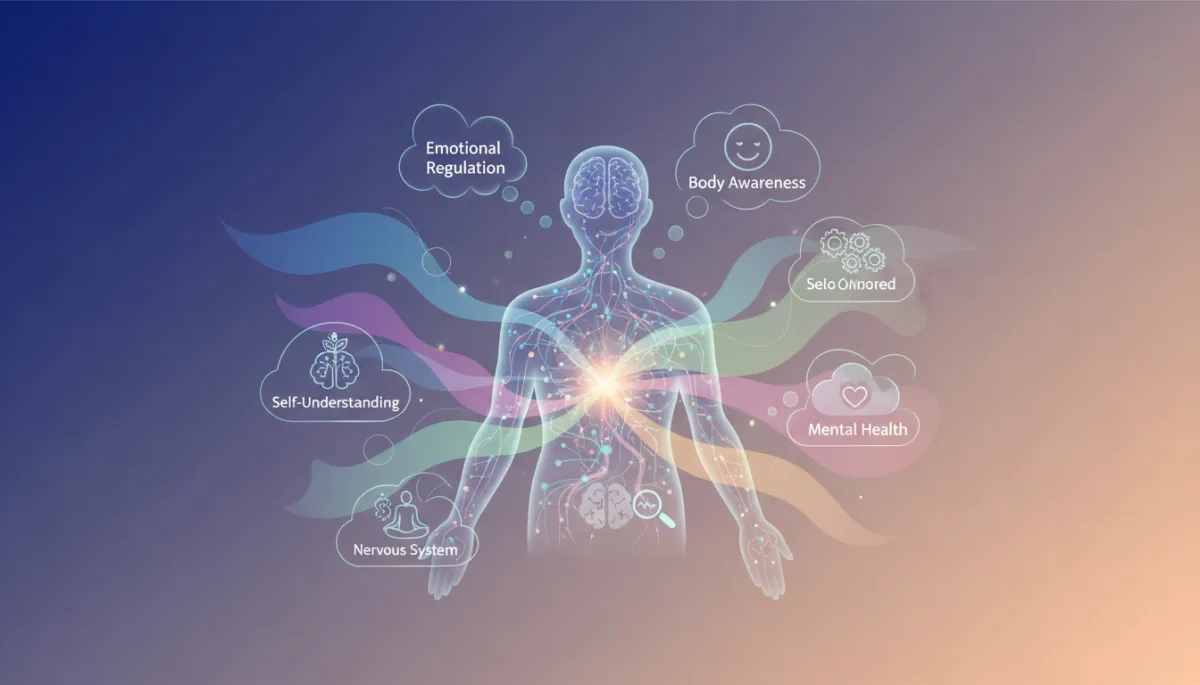
Interoception: Enhance Emotional Regulation
Mental Health, Interoception, Emotional Regulation
Interoception: The Hidden Sense Behind Emotional Regulation
Discover how tuning into your body’s subtle signals can transform emotional regulation, deepen self-understanding, and support your mental health in gentle, practical ways. 🌱
The Sense You Were Never Taught About
Most of us grew up learning about five senses: sight, hearing, taste, smell, and touch. Yet quietly shaping your day, your decisions, and your emotional regulation is a sixth, lesser-known sense: interoception. 🌟 This “hidden sense” is your nervous system’s way of tracking what is happening inside your body—moment by moment—so your brain can keep you alive, safe, and in balance.
When you suddenly realize you are thirsty, feel your heart race before a presentation, or notice a heavy knot in your stomach after a difficult conversation, you are experiencing interoceptive signals. These internal cues are the foundation of body awareness, and they play a powerful role in your mental health, your ability to regulate emotions, and even your sense of who you are. 💭❤️
What Is Interoception?
Interoception is the sense that helps you notice, interpret, and respond to signals from inside your body. While your external senses tell you about the outside world, interoception tells you about your inner world—your heartbeat, breathing, temperature, muscle tension, hunger, fullness, pain, and more subtle sensations like fluttering, buzzing, tightness, or numbness. It is a key part of how your body and brain communicate through the nervous system. 🔄🧠
Tiny sensory receptors throughout your organs, skin, and tissues constantly send information to your brain via nerves and pathways like the vagus nerve and spinal cord. Your brain then pieces these signals together to form an overall picture of your internal state. This process is sometimes called “body budgeting” or “allostasis”: your brain uses interoception to predict what you need and adjust things like heart rate, hormones, and energy levels accordingly. ⚙️
📌 Key Takeaway: Interoception is your built-in monitoring system for everything happening inside your body, helping your brain keep you balanced and responsive to your needs. 🧭
Why Interoception Matters for Emotional Regulation
Emotions are not just thoughts in your head; they are full-body experiences. When you feel anxious, your heart might race, your stomach may churn, your muscles tense, and your breathing become shallow. When you feel calm, your body often feels grounded, warm, and steady. Interoception is what allows you to notice these bodily changes and link them to specific feelings, which is essential for emotional regulation. 🌊
If interoceptive signals are too faint, confusing, or overwhelming, it becomes harder to recognize what you are feeling and what you need. You might only realize you are stressed when you are already snapping at someone, or notice you are exhausted only when you crash. On the other hand, when interoception is well-tuned, you can catch early signs: a slight tightness in your chest, a subtle clenching in your jaw, a shift in your breathing. These body signals act as early warning lights 🚨, giving you a chance to respond gently before emotions spiral out of control.
💡 Pro Tip: Emotional regulation often begins below the neck. Strengthening interoception means learning to listen to your body’s whispers before they become shouts. 👂💓
How the Body and Brain Communicate Through the Nervous System
To understand interoception more deeply, it helps to look at the nervous system. Your body and brain are in constant conversation through a vast network of nerves. This communication runs in two directions: 🔁
Bottom-up signals: Sensory information travels from your body up to your brain—signals about heart rate, breathing, gut sensations, muscle tension, temperature, and more. These are the raw materials of interoception. 📡
Top-down signals: Your brain sends messages back down to your body, adjusting things like heart rate, hormone release, and muscle tone based on what it predicts you need in each moment. 🧠➡️🫀
A key player here is the autonomic nervous system, which includes the sympathetic (“fight or flight”) and parasympathetic (“rest and digest”) branches. When your brain detects a threat—whether it is a looming deadline or a sharp sound at night—it can activate your sympathetic system. Your heart beats faster, your breathing quickens, and blood flows to your muscles to get you ready to act. When the threat passes, your parasympathetic system helps you settle back down, slowing your heart and deepening your breath. ⚖️
Interoception is how you feel these shifts. It turns your nervous system’s adjustments into lived experience: “I feel on edge,” “I feel safe,” “I feel numb,” or “I feel settled.” Over time, your brain learns to associate certain patterns of body sensations with specific emotions, such as anger, sadness, joy, or fear. This is a major part of how your sense of self and your self-understanding develop. 🌱🧩
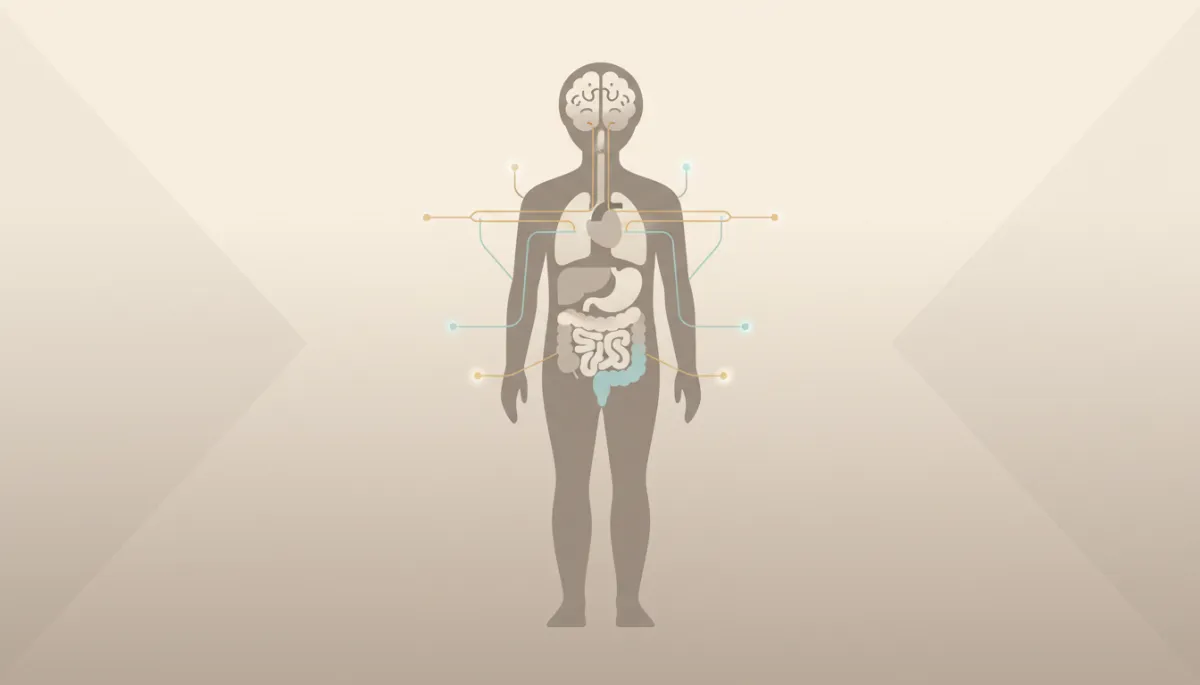
Emotional states emerge from a continuous conversation between your brain, body, and nervous system. 🧠💬🫀
The Importance of Body Signals in Recognizing Emotions and Needs
Many of us were taught to explain emotions with words—“I’m sad,” “I’m angry,” “I’m fine”—but rarely were we invited to ask, “What is my body telling me?” 🤔 Yet your body signals are often clearer and more honest than your thoughts. They can reveal needs you have not yet put into words and emotions you might be pushing aside or not fully understanding.
Consider a few examples of how body awareness supports emotional regulation and mental health:
You notice a tight, buzzing feeling in your chest and shoulders. Instead of dismissing it, you pause and realize, “I’m actually anxious about that meeting.” This recognition allows you to prepare, breathe, or seek support, rather than carrying nameless tension all day. 🌬️📅
You feel a heavy weight in your stomach and a lump in your throat after scrolling through social media. As you stay with the sensation, you recognize sadness and loneliness, which leads you to reach out to a friend instead of numbing out further. 📱💔➡️🤝
You notice your jaw clenching and your breathing becoming shallow while working late. Your body is signaling stress and fatigue. By listening, you choose to take a break, drink water, or end work for the evening, protecting your mental health from burnout. 💼🔥🚰
These internal cues are like a personal guidance system. 🧭 They help you recognize when you are hungry, tired, overwhelmed, overstimulated, or in need of connection, movement, or rest. When you ignore or override them repeatedly—pushing through hunger, skipping sleep, numbing emotions—your body’s messages can become louder or more confusing. Over time, this can contribute to anxiety, mood swings, burnout, and a sense of disconnection from yourself.
📌 Key Takeaway: Body signals are not inconveniences; they are vital information about your emotions and needs. Interoception is the skill of hearing and honoring that information. 💖
When Interoception Is Tricky: Overwhelm, Numbness, and Confusion
Not everyone experiences interoception in the same way. For some, body sensations feel muted or distant—like living from the neck up. For others, sensations are intense and overwhelming, making it hard to sort out what is happening. Both patterns can make emotional regulation more challenging and are common in people with chronic stress, trauma histories, or neurodivergent experiences such as autism or ADHD. 🧩
If you struggle to notice hunger until you feel faint, or you only realize you are anxious when you are on the verge of a panic attack, that does not mean you are “broken.” ❌ It simply means your interoceptive system has learned certain survival strategies. The good news is that, with gentle practice, interoceptive awareness can be nurtured and strengthened at any age, in ways that support your mental health and sense of safety. 🌼
Gentle, Body-Based Approaches to Strengthening Interoceptive Awareness
Because interoception lives in the body, it responds best to gentle, body-based practices rather than purely mental strategies. The goal is not to force your body to feel more, but to create conditions where your nervous system feels safe enough to share its signals with you. Here are some supportive approaches you can explore at your own pace. 🧘♀️
1. Micro Check-Ins Throughout the Day
Instead of long, intense practices, start with tiny pauses. Several times a day, take 30–60 seconds to ask yourself: ⏱️
“What do I notice in my body right now?” 👀
“Is there any place that feels tight, heavy, warm, or numb?” 🧍♀️
“What is my breathing like—fast, slow, shallow, deep?” 🌬️
There is no right or wrong answer. The intention is simply to notice, without judging or trying to change anything. Over time, these micro check-ins train your brain to pay attention to interoceptive cues more consistently, which supports emotional regulation before things feel unmanageable. 🧠✅
2. Hand-to-Body Anchors
Placing your hands on your body can offer both grounding and clearer signals. Try resting one hand on your chest and one on your abdomen. Feel the warmth of your hands, the movement of your breath, and any sensations under your palms. 🤲 This simple posture can calm the nervous system and amplify interoceptive awareness, making it easier to sense subtle shifts in your emotional state.
3. Breath as a Bridge Between Body and Brain
Your breath is one of the most accessible interoceptive signals and a powerful tool for emotional regulation. You do not need complex techniques; simply noticing your natural breath is a meaningful start. You might explore: 🌬️🧘
Counting a few exhalations and feeling your chest or belly rise and fall.
Gently lengthening your exhale for a few breaths, which can support the parasympathetic, calming branch of the nervous system. 🕊️
The key is curiosity rather than control. Ask, “How does my body feel as my breath moves?” This shifts you from thinking about your body to actually feeling it, deepening interoceptive awareness and self-understanding. 🔍
4. Gentle Movement and Stretching
Movement brings fresh interoceptive information to the surface. Slow, mindful stretching, walking, or yoga-like movements can help you notice how your body feels from the inside. As you move, you might ask: 🚶♀️🧘
“What happens in my shoulders when I roll them gently?”
“How do my feet feel against the ground as I walk more slowly?” 👣
This is not about performance or exercise goals; it is about cultivating body awareness. Over time, you may notice how certain movements help your nervous system shift from agitation toward steadiness, supporting emotional regulation in real, tangible ways. ⚖️💆♀️
5. Temperature, Texture, and Comfort Cues
Simple sensory changes can make interoceptive signals easier to access. Wrapping yourself in a soft blanket, holding a warm mug, or placing a cool cloth on your forehead can create clear, gentle sensations that your nervous system can register. As you do this, notice: 🧣☕
“Where do I feel warmth or coolness?”
“Does this make it easier to feel my breath, my heartbeat, or my muscles relaxing?” 😌
These comfort cues can be especially helpful if you often feel numb or disconnected from your body. They offer a safe, soothing way to invite interoceptive awareness back online, which in turn supports emotional regulation and mental health. 🫶
6. Naming Sensations Before Naming Emotions
Many people jump straight to labeling emotions—“I’m angry,” “I’m stressed”—without pausing to notice what is happening in the body. A gentle shift is to name sensations first, using simple, descriptive words: 📝
“There is a tight band across my chest.”
“My stomach feels knotted and heavy.”
“My hands are warm and slightly shaky.” ✋
Once you have named the sensations, you can gently wonder, “If these sensations had an emotion attached, what might it be?” This approach respects the body’s timeline and supports more precise emotional regulation, grounded in real interoceptive data rather than guesses or habits. 🎯
Supporting Interoception in Everyday Life as an Adult
You do not need a special retreat or hours of meditation to support interoception. Small, consistent choices in daily life can gradually transform your relationship with your body, emotions, and nervous system. Here are practical ways adults can weave interoceptive awareness into ordinary routines. 🏡
Tune In Around Basic Needs: Hunger, Thirst, Rest
Use everyday activities as practice grounds. Before eating, pause for a moment and ask, “How hungry am I, on a scale from 0 to 10?” Notice sensations in your stomach, mouth, and energy levels. After eating, check again: “How full do I feel now?” This simple habit strengthens the link between internal cues and behavior, improving both interoception and self-trust. 🥗🔢
You can do the same with thirst (“What does my mouth feel like right now?”) and tiredness (“Where do I feel fatigue in my body?”). Over time, honoring these signals—rather than pushing through—supports more stable mood, better concentration, and overall mental health. 💧😴🧠
Use Transition Moments as Regulation Opportunities
Notice your body at natural transition points: before opening your email in the morning, after finishing a meeting, when you arrive home, or before bed. Ask: 🔄
“What is my nervous system doing right now—more ‘fight or flight’ or more ‘rest and digest’?” ⚔️🕊️
“Is there one small thing I could do to support my body?” (e.g., a sip of water, a stretch, three slow breaths, stepping outside for a minute). 🌿
These tiny adjustments help your nervous system reset throughout the day instead of accumulating stress until it overflows. This is interoception in action: noticing body signals, understanding what they mean, and responding with care. 💚
Create a “Body Language” Journal
Keeping a brief journal can deepen self-understanding. A few times a week, jot down: 📓✍️
What you noticed in your body (e.g., “tight chest,” “heavy legs,” “warm face”).
What was happening around you at the time.
Any emotions or needs that seemed connected. ❤️
Over time, patterns emerge: perhaps your shoulders tense before you even realize you are worried about a deadline, or your stomach twists when you are around a particular person. Recognizing these patterns strengthens your interoceptive “vocabulary” and supports earlier, kinder emotional regulation. 🧠📈
Seek Support When Needed
If tuning into your body feels overwhelming, frightening, or confusing, you do not have to do it alone. Many therapists, body-based practitioners, and somatic coaches are trained to work with interoception, nervous system regulation, and trauma-informed approaches. Working with someone can provide a safe container to explore body awareness at a pace that feels manageable, which can be especially supportive for mental health challenges or long-standing patterns of disconnection. 🤝
💡 Pro Tip: Interoception is not about perfection. It is about building a kinder, more curious relationship with your body and emotions over time. 💗
Bringing It All Together: Interoception as a Path to Self-Understanding
Interoception sits quietly at the heart of emotional regulation, body awareness, and mental health. It is the hidden sense that allows your brain and body to communicate, your nervous system to adjust, and your emotions to be felt and understood. When you strengthen interoceptive awareness, you are not just learning a new skill—you are rebuilding trust with yourself at a very deep level. 🌊🤍
By noticing body signals, honoring your needs, and using gentle, body-based approaches, you begin to live in closer partnership with your own system. Instead of fighting your feelings or ignoring your limits, you can respond earlier and more compassionately. This often leads to fewer emotional “meltdowns,” less burnout, and a greater sense of steadiness and self-connection in daily life. 🌱✨
You do not need to transform everything overnight. Start with one small practice: a 30-second body check-in, a hand on your heart, a moment to feel your breath before you answer another email. Each time you pause to listen, you are strengthening the pathways between your body and brain, supporting your nervous system, and deepening your self-understanding. Over weeks and months, these small acts accumulate into meaningful change. 🔄📆
Your body is speaking to you all the time. Interoception is the language. Emotional regulation, resilience, and a more grounded sense of self begin with learning how to listen—gently, patiently, and with curiosity. 👂💬🧡
Would you like to do some work click here for our latest worksheet.
