
Manage Stress: Tips for Emotional Well-being
Stress Management, Emotional Well-being, Overcoming Overwhelm
Is Stress Starting to Feel Like Your Normal?
If you wake up tired, go to bed wired, and can’t remember the last time you truly felt relaxed, you’re not alone. For many people, stress has quietly shifted from an occasional visitor to a constant companion. When that happens, it becomes hard to tell where “normal” ends and chronic tension begins. This article explores why that happens, how it affects your emotional well-being, and practical ways to start overcoming overwhelm with simple mindfulness techniques and accessible mental health support.
When Constant Stress Starts to Feel “Normal”

Stress itself is not the enemy. In short bursts, it helps you focus, meet deadlines, and respond to challenges. The problem begins when your body never gets the signal that the threat is over. Your heart rate stays slightly elevated, your muscles remain tense, and your mind keeps scanning for the next problem. Over time, this chronic activation becomes your baseline, and you may barely notice how much it’s affecting your emotional well-being and physical health.
You might tell yourself, “Everyone is this busy,” or “This is just adult life.” Yet, your body keeps the score. Chronic stress can show up as headaches, digestive issues, irritability, sleep problems, or a constant sense of being on edge. When stress feels like your normal, it can be a sign that your stress management strategies need an update and that your nervous system is craving a reset.
Subtle Signs Stress Has Become Your Default Setting
You feel guilty or restless when you’re not being “productive.”
Your shoulders, jaw, or back feel tight most of the time, even on “easy” days.
You have trouble switching off your thoughts at night, replaying conversations or planning tomorrow on repeat.
Small inconveniences feel like major crises, and your patience runs out quickly.
Joyful moments feel muted, as if you’re watching your own life from a distance.
📌 Key Takeaway: When stress becomes your “normal,” your body and mind adapt to a constant state of alert. Recognizing this is the first step toward reclaiming your emotional well-being.
Understanding Overwhelm: Why Everything Feels Like Too Much
Overwhelm is more than just “having a lot to do.” It’s the feeling that your internal resources no longer match the demands being placed on you. Your to-do list may be long, but the real weight comes from the stories you tell yourself about it: “I can’t mess this up,” “I’m already behind,” “If I say no, I’ll disappoint everyone.” These thoughts amplify stress and make even simple tasks feel unmanageable. Effective stress management isn’t about becoming superhuman; it’s about gently reducing the gap between what’s being asked of you and what you can realistically give.
The Overwhelm Loop
Many people get caught in an “overwhelm loop”:
You take on too much or feel pressured by circumstances you can’t control.
Your stress spikes, making it harder to think clearly or prioritize.
Because you feel scattered, tasks take longer, so you feel even more behind.
You criticize yourself for not coping “better,” adding shame on top of stress.
Breaking this cycle requires practical tools for overcoming overwhelm and compassionate self-talk that supports your emotional well-being instead of undermining it.
Practical Tips for Overcoming Overwhelm in Daily Life
1. Do a “Mind Dump” to Clear Mental Clutter
When your mind is juggling dozens of tasks, worries, and reminders, everything feels urgent. A simple stress management technique is to take 5–10 minutes to write down everything that’s swirling in your head—work tasks, errands, worries, even half-formed thoughts. Don’t organize or judge; just get it out. This “mind dump” frees up mental space and makes invisible stress visible on paper, where it becomes easier to handle.
2. Use the Rule of Three to Prioritize
After your mind dump, choose just three key tasks for the day. Ask yourself, “If I only completed these three things, would today still feel meaningful or productive?” Focusing on three priorities helps you overcome overwhelm by giving your brain a clear, manageable target. Everything else becomes a bonus, not a requirement. This shift can significantly reduce pressure and support your emotional well-being by replacing perfectionism with progress.
3. Break Tasks into the Smallest Next Step
Overwhelm often comes from looking at the whole mountain instead of the next foothold. Instead of “clean the house,” try “clear the coffee table.” Instead of “fix my finances,” try “open my banking app and review yesterday’s spending.” Each tiny step completed gives your brain a hit of accomplishment, which encourages you to keep going. This is stress management at a very practical level: you’re teaching your nervous system that progress is possible, one small action at a time.
4. Create Micro-Boundaries Around Your Energy
Not all boundaries have to be dramatic or confrontational. Micro-boundaries are small, everyday limits that protect your emotional well-being. Examples include:
Not checking work email after a certain time in the evening.
Letting calls go to voicemail when you’re in the middle of focused work.
Saying, “Let me think about it and get back to you,” instead of automatically saying yes.
💡 Pro Tip: Boundaries are not about pushing people away; they’re about creating enough space for you to show up as your best self.
5. Build “Recovery Moments” Into Your Day
Many people wait for a vacation to finally rest, but your nervous system needs smaller, more frequent breaks. Try adding 2–5 minute “recovery moments” throughout your day: step away from your screen, stretch, drink water slowly, or look out a window and soften your gaze. These short pauses send powerful signals of safety to your body and are an underrated form of stress management that can prevent burnout over time.
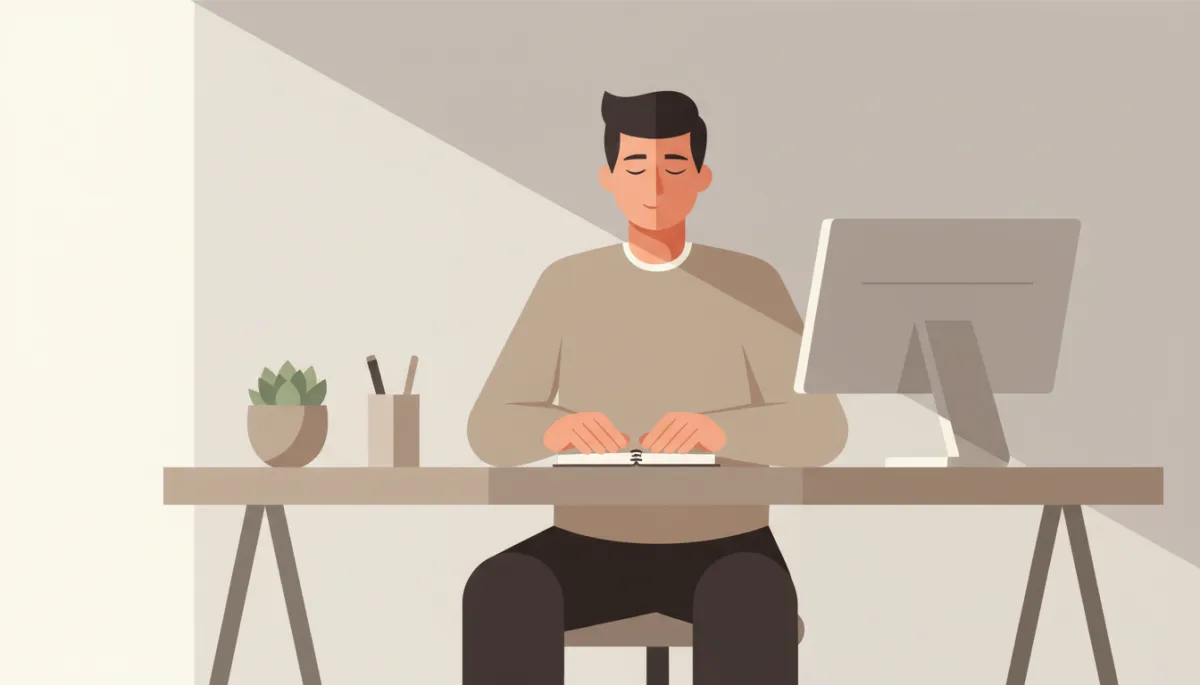
Brief recovery moments during the day can lower stress before it spirals.
Mindfulness Techniques to Calm a Busy Mind and Body
Mindfulness techniques are not about emptying your mind or becoming perfectly calm. They are about gently bringing your attention back to the present moment, without judgment. When practiced consistently, mindfulness becomes a powerful tool for stress management and emotional well-being, helping you respond to life instead of reacting on autopilot.
1. The 4–6 Breath for Quick Grounding
One of the simplest mindfulness techniques is to regulate your breath. Try this:
Inhale gently through your nose for a count of 4.
Exhale slowly through your mouth for a count of 6, as if you’re fogging up a mirror.
Repeat for 10–15 breaths, noticing the sensation of air moving in and out.
Lengthening the exhale activates the body’s relaxation response, signaling that it’s safe to step out of fight-or-flight mode. This simple practice can be used before a difficult conversation, during a stressful commute, or when you feel anxiety rising.
2. The 5 Senses Check-In
When your thoughts race toward the future or replay the past, grounding in your senses can bring you back to now. Try this quick mindfulness technique:
Notice 5 things you can see around you, naming them silently.
Notice 4 things you can feel (your feet on the floor, fabric on your skin, air on your face).
Notice 3 things you can hear, near or far.
Notice 2 things you can smell, even if faint.
Notice 1 thing you can taste, or take a sip of water and pay attention to it.
This exercise anchors you in your body and environment, offering a gentle pause from spiraling thoughts and helping you overcome overwhelm in the moment.
3. Mindful Transitions Between Activities
Much of our stress comes from rushing from one thing to the next without a break. Mindful transitions invite you to slow down for just 30–60 seconds between activities. For example, before you leave work, take a few breaths and mentally acknowledge, “Work is done for today. Now I’m shifting into home mode.” Before you open your laptop in the morning, place a hand on your heart and set an intention like, “Today, I will move through my tasks with steadiness and kindness.” These small rituals can protect your emotional well-being by preventing your day from becoming one long, blurred sprint.
4. Compassionate Self-Talk as a Mindfulness Practice
Mindfulness is not just about breath and body; it’s also about how you speak to yourself. Notice the tone of your inner voice when you’re stressed. Is it harsh, impatient, or critical? Try gently replacing self-criticism with phrases you might offer a friend, such as:
“It makes sense that I feel overwhelmed; I’m dealing with a lot right now.”
“I’m doing the best I can with the tools I have today.”
“I can take this one step at a time; I don’t have to solve everything at once.”
This kind of compassionate self-talk is a powerful form of mental health support you can offer yourself anytime, anywhere. Over time, it softens the impact of stress and nurtures resilience.
Building a Personal Stress Management Toolkit
No single technique works for everyone, and your needs may change over time. That’s why it helps to think of stress management as a toolkit rather than a single solution. Your toolkit might include:
Physical tools: walking, stretching, yoga, dancing, or any movement that helps release tension from your body.
Emotional tools: journaling, talking with a trusted friend, or naming your feelings out loud to reduce their intensity.
Mental tools: mindfulness techniques, breathing exercises, and realistic planning habits that prevent overload.
Support tools: therapy, support groups, coaching, or digital mental health support apps that offer coping strategies.
📌 Key Takeaway: A balanced stress management toolkit includes strategies for your body, mind, and relationships—not just productivity hacks.
When to Seek Professional Mental Health Support
While self-care and mindfulness techniques are valuable, there are times when professional mental health support is not just helpful, but essential. Reaching out for help is not a sign of weakness; it’s a sign that you’re taking your emotional well-being seriously. Consider speaking with a mental health professional if you notice any of the following:
Stress or anxiety is interfering with your ability to work, study, or maintain relationships.
You experience frequent panic attacks, intense mood swings, or prolonged irritability.
You feel numb, disconnected, or hopeless most days, even when nothing obvious is “wrong.”
You’re using alcohol, drugs, food, or work to cope in ways that feel out of control.
Therapists, counselors, psychologists, and psychiatrists are trained to help you understand the roots of your stress, develop personalized strategies for overcoming overwhelm, and support you through difficult seasons. Many offer online sessions, making mental health support more accessible than ever.
⚠️ Important: If you ever have thoughts of harming yourself or others, seek immediate help from emergency services or a crisis hotline in your country. You do not have to face those moments alone.
How to Start a Supportive Conversation About Stress
Sometimes, the hardest part of getting mental health support is starting the conversation. You might worry about being a burden, or you might feel you should be able to handle things on your own. But sharing your experience with someone you trust can be deeply relieving and is often the first step toward real change. Here are a few simple ways to open up:
“I’ve been feeling more overwhelmed than usual lately, and I could really use someone to talk to. Are you available?”
“Stress has been my normal for a while, and it’s starting to catch up with me. Can I share what’s been going on?”
“I’m thinking about getting professional support for my stress. Have you ever talked to a therapist or counselor?”
You don’t have to have the perfect words; you just have to be honest. The right people will care more about your well-being than about how polished your explanation sounds.
Integrating Stress Management into a Sustainable Lifestyle
It’s easy to treat stress management as another item on your to-do list—one more thing you “should” be doing. Instead, try weaving small, realistic practices into your existing routines. For example:
Pair your morning coffee or tea with three slow, intentional breaths before you look at your phone.
Use the first minute after you sit in your car or on the train to do a quick body scan, relaxing your jaw, shoulders, and hands.
Choose one meal a day to eat mindfully—no screens, just noticing flavors, textures, and the act of nourishing yourself.
These small shifts may not seem dramatic, but they add up. Over time, they create a lifestyle where stress is something you respond to thoughtfully, rather than something that quietly runs the show.
Redefining What “Normal” Can Feel Like
If stress has been your normal for months or years, it can be hard to imagine life any other way. Calm might even feel unfamiliar or uncomfortable at first, as if you’re waiting for the next crisis. This is a natural response when your nervous system has been on high alert for a long time. With consistent stress management practices, supportive relationships, and, when needed, professional mental health support, your definition of “normal” can slowly shift.
A healthier normal doesn’t mean you never feel stressed. It means:
You notice stress earlier, instead of only when you’re at a breaking point.
You have go-to tools for overcoming overwhelm before it takes over your day.
You feel more present for the good moments, not just braced for the hard ones.
Taking Your Next Small Step Toward Emotional Well-Being
If stress has started to feel like your normal, it’s not because you’re weak or failing. It’s because you’ve been doing your best to survive in demanding circumstances, often without enough support. Today can be the day you choose something different—not a dramatic overhaul, but a single, compassionate step toward change. That might mean trying one mindfulness technique, setting one small boundary, or sending one message to someone you trust about how you’re really doing.
Over time, these small acts of care accumulate. They become new habits, new patterns, and eventually, a new normal—one where your emotional well-being matters as much as your productivity, and where stress is just one part of your life, not the whole story. You deserve a life that feels more spacious, more grounded, and more your own. And you are allowed to start creating it, one gentle breath and one kind choice at a time.
