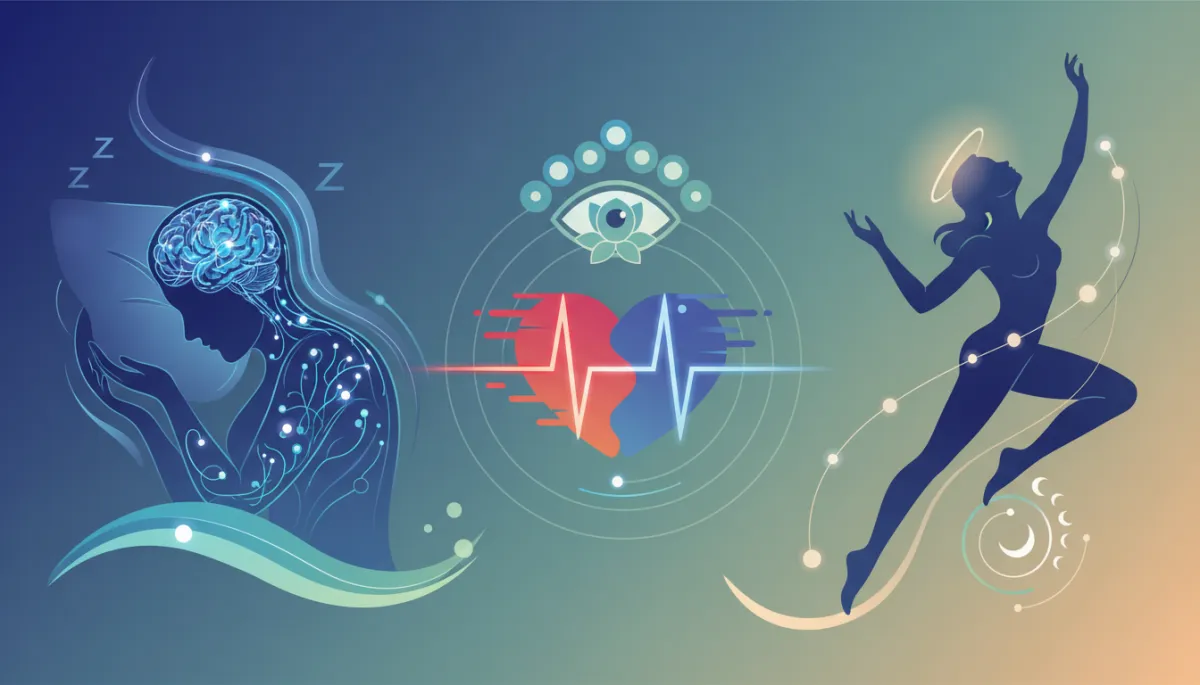
Regulate Sleep, Stress & Performance for Success
Sleep, Stress, Performance, Recovery, Nervous System
Sleep, Stress & Performance: Why Regulation Is Your Real Advantage
In high-pressure work, sport, and everyday life, we’re taught to push harder, grind longer, and “out-effort” everyone else. But your real edge doesn’t come from squeezing more hours out of the day. It comes from how well you recover, how balanced your nervous system is, and how effectively you move between stress and rest. Sleep, stress, and performance are not separate topics—they are one integrated system. When you understand and regulate that system, you unlock sustainable, repeatable high performance.
Recovery: The Hidden Engine of Performance
Performance is often measured in visible outcomes: sales numbers, race times, grades, or productivity metrics. What we don’t see is the invisible engine underneath—your capacity to recover. Recovery is not “doing nothing.” It is an active biological process where your body repairs tissue, balances hormones, clears waste, and resets your nervous system so you can show up fully again tomorrow.
When recovery is neglected, you can still perform for a while, but you’re running on borrowed resources. You may notice:
Slower thinking, more mistakes, and difficulty focusing
Shorter temper, less emotional control, and overreactions to small stressors
Heavier fatigue, lower motivation, and a sense that everything feels “harder” than it should
These are not signs of weakness or lack of discipline. They are signs of a nervous system that hasn’t had enough time and space to reset. Recovery is the foundation that makes effort effective. Without it, you’re pressing the accelerator with the fuel light already on.
Sleep: Your Body’s Most Powerful Performance Tool
Among all recovery tools, sleep is the most potent. It’s not just a passive shutdown; it’s an active, highly organized process that supports every aspect of performance—from physical strength to emotional stability and mental clarity. Let’s break down what sleep is doing behind the scenes.
1. Healing and Physical Repair
During deep sleep, your body shifts into a powerful healing mode. Growth hormone is released, helping repair muscles, connective tissue, and even microscopic damage in your organs. Immune function is strengthened, inflammation is regulated, and your cardiovascular system gets a chance to recalibrate after a day of demands.
If you train hard in the gym, push long hours at work, or juggle a busy life, this nightly repair cycle is what keeps you from breaking down. Skipping sleep is like skipping maintenance on a high-performance car—you might get away with it for a while, but eventually something fails at the worst possible time.
2. Memory Consolidation and Learning
Sleep is also where memory consolidation happens. During the day, your brain collects experiences, facts, skills, and emotional impressions. At night, especially during specific sleep stages, the brain replays and reorganizes that information, deciding what to store, what to link together, and what to discard.
This is crucial for performance in any thinking-heavy role. Whether you’re learning a new software system, refining a presentation, or practicing a physical skill, sleep is when those connections solidify. Without enough quality sleep, new information remains fragile and harder to recall. You may feel like you’re “studying” or “practicing” a lot, but the gains don’t stick because the consolidation process is incomplete.
3. Emotional Processing and Resilience
Have you ever noticed how a problem feels overwhelming at night but more manageable after a good sleep? That’s not just perspective—it’s your brain doing emotional processing while you rest. During certain stages of sleep, particularly REM (rapid eye movement) sleep, your brain revisits emotional experiences, downshifts their intensity, and helps you integrate them into your overall story.
When you’re sleep-deprived, you lose this overnight emotional reset. The result is higher irritability, more emotional reactivity, and less capacity to respond calmly under pressure. Emotional control is not just about will power; it’s deeply rooted in how well your brain has processed and filed away emotional experiences during sleep.
4. Brain Detoxification and Mental Clarity
One of the most fascinating discoveries in recent years is the brain’s detoxification system, often called the glymphatic system. During deep sleep, the spaces between brain cells expand slightly, allowing cerebrospinal fluid to wash through and clear out metabolic waste products, including proteins linked to neurodegenerative diseases.
Practically, this “nightly cleaning” is what helps you wake up with a clear head. When sleep is cut short or fragmented, waste products accumulate, and you feel it as mental fog: slower thinking, difficulty finding words, trouble holding information in mind, and a sense that your brain is “sticky.” High performance requires a clean operating system, and sleep is when that cleanup happens.

A low-stimulation wind-down routine signals your nervous system that it’s safe to shift into recovery.
Your Two Stress Systems: Fast and Slow
To understand why regulation matters so much, it helps to know that your body has two main stress systems working together: a fast one and a slow one. Both are designed to keep you alive, but they can also work against you if they’re constantly activated.
The Fast System: Immediate Alarm
The fast stress system is your body’s immediate alarm. It’s driven largely by the sympathetic nervous system and the release of adrenaline. It kicks in within seconds when you perceive a threat or urgent demand—like a car swerving in front of you, a sudden loud noise, or a last-minute deadline that appears out of nowhere.
Heart rate increases, breathing speeds up, muscles tense, and attention narrows. This is incredibly useful in short bursts: it boosts reaction time, sharpens focus, and mobilizes energy. But if this system is constantly firing—because of nonstop notifications, chronic workload, or unresolved worries—it becomes exhausting and erodes performance over time.
The Slow System: Sustained Stress Response
The slow stress system, often associated with the HPA axis (hypothalamus, pituitary, adrenal), unfolds over minutes to hours. It releases cortisol and other hormones that help maintain energy levels and alertness over longer periods. This is helpful when you’re facing an extended challenge, like a big project, a demanding season at work, or a long competition.
Problems arise when this slow system never fully turns off. Chronically elevated stress hormones can disrupt sleep, impair memory, increase anxiety, and even affect blood sugar and immune function. The result is a body that’s always “on,” but never fully restored—a recipe for burnout and inconsistent performance.
Nervous System Regulation: Your Real Performance Lever
You can’t eliminate stress—and you wouldn’t want to. Some stress is energizing and necessary for growth. The key is regulation: your ability to move fluidly between activation and recovery, between “go” and “slow.” A well-regulated nervous system can ramp up when needed, then settle back down once the challenge is over.
When your nervous system is dysregulated—stuck in high alert or swinging unpredictably between wired and wiped out—you feel it in three major ways:
Mental fog: Difficulty concentrating, slower processing, and trouble making clear decisions
Reduced emotional control: Overreactions, impatience, and feeling “hijacked” by your feelings
Heightened stress sensitivity: Small setbacks feel huge, and everyday tasks feel more overwhelming than they should
These are not character flaws; they’re signs that your system is overloaded and hasn’t had enough restorative time. The good news is that regulation is trainable. You can support it through specific practices—and you can even measure it.
Heart Rate Variability: A Window into Your Regulation
One of the most useful indicators of nervous system regulation is Heart Rate Variability (HRV). HRV measures the variation in time between each heartbeat. Contrary to what you might think, a perfectly steady heart rate is not ideal. A healthy, adaptable nervous system shows subtle variations from beat to beat, reflecting the constant balancing act between stress (sympathetic) and recovery (parasympathetic) branches of your nervous system.
In general, higher HRV is associated with better recovery, emotional flexibility, and resilience, while lower HRV can indicate that your system is under strain, overworked, or not fully recovered. Many wearables now track HRV, giving you a practical way to notice patterns: How does your HRV change when you sleep more, drink less caffeine or alcohol, or add a daily breathwork practice?
💡 Pro Tip: Don’t obsess over single HRV readings. Look at trends over weeks. Is your baseline rising, stable, or falling as you adjust your habits?
Breathwork and Mindfulness: Everyday Tools for Regulation
Two of the most accessible ways to support nervous system regulation are breathwork and mindfulness. You don’t need special equipment or long retreats—just a few minutes and your attention.
Breathwork: Direct Access to Your Nervous System
Your breathing pattern is one of the fastest ways to influence your state. Slow, steady exhalations activate the parasympathetic “rest and digest” branch, helping shift you out of high alert. A simple practice you can use almost anywhere:
Inhale gently through your nose for 4 seconds.
Exhale slowly through your nose or mouth for 6 seconds.
Repeat for 2–5 minutes, keeping the breath smooth and comfortable.
This simple 4–6 rhythm can lower heart rate, increase HRV, and help you feel more grounded before a big meeting, after a stressful call, or as part of your evening wind-down routine.
Mindfulness: Training Your Attention and Emotional Control
Mindfulness is simply the practice of paying attention to the present moment with curiosity rather than judgment. Regular mindfulness practice has been shown to improve emotional regulation, reduce stress reactivity, and even change brain regions involved in attention and self-control.
You can start small:
Take 3 slow breaths before opening your inbox and simply notice how your body feels.
Spend 5 minutes each morning sitting quietly, noticing thoughts and sensations come and go without needing to fix them.
During a walk, put your phone away and pay attention to sounds, colors, and the feeling of your feet on the ground.
Over time, mindfulness builds a small but powerful gap between stimulus and response. That gap is where emotional control lives—the ability to choose how you respond rather than being driven purely by stress and habit.
Practical Strategies: Supporting Regulation in Daily Life
Theory only matters if it changes how you live. Here are concrete ways to support your nervous system regulation, protect sleep, and create more consistent performance.
1. Honor Your Sleep Rhythm
Your body thrives on rhythm. Going to bed and waking up at roughly the same time each day supports your internal clock, hormone cycles, and sleep quality. To improve your sleep rhythm:
Choose a consistent wake time that works most days and anchor to it, even on weekends when possible.
Create a 30–60 minute wind-down window: dim lights, reduce screens, and avoid intense work or emotional conversations.
Expose yourself to morning daylight to reinforce your natural circadian rhythm and support nighttime sleepiness.
2. Build Recovery Moments into Your Day
Recovery is not only what happens at night. Short recovery moments throughout the day help prevent your stress systems from staying maxed out. Think of them as mini pit stops that keep your performance engine from overheating.
Between meetings, take 2 minutes for slow breathing instead of scrolling your phone.
Every 60–90 minutes, stand up, stretch, and look out a window to give your brain a different visual field.
After a particularly stressful interaction, add a short walk or a few minutes of journaling before diving into the next task.
These small pauses may feel unproductive in the moment, but they protect your clarity, emotional stability, and decision-making capacity over the course of the day.
3. Reduce Stimulation, Especially Before Bed
One of the biggest modern challenges to regulation is constant stimulation: screens, notifications, background noise, and information overload. Your nervous system interprets much of this as low-level stress, keeping your fast and slow stress systems more active than they need to be.
Set boundaries with devices: for example, no work email after a certain time, and no social media in bed.
Replace late-night news or intense shows with calmer activities like reading, light stretching, or a warm shower.
Keep your sleep environment as dark, cool, and quiet as possible to support deep, uninterrupted rest.
Reducing stimulation is not about deprivation; it’s about giving your nervous system a clear signal that it’s safe to downshift into recovery mode.
Performance Comes from State, Not Just Effort
We often talk about performance as if it’s purely the result of effort: more hours, more hustle, more intensity. But the science of sleep, stress, and nervous system regulation tells a different story. Performance is rooted in state. Your mental, emotional, and physiological state in the moment of action determines how much of your skill, knowledge, and preparation you can actually access.
When you’re well-rested, regulated, and balanced, you think more clearly, remember what you’ve learned, respond more calmly under pressure, and recover faster from setbacks. When you’re dysregulated—sleep-deprived, overstimulated, and stuck in chronic stress—your abilities are still there, but they’re harder to access. It’s like trying to run a sophisticated program on a laptop that’s overheated and low on battery.
Supporting your nervous system is not a luxury or a “nice to have.” It is a core performance strategy. Prioritizing sleep, building recovery moments, practicing breathwork and mindfulness, tracking HRV trends, and reducing unnecessary stimulation are all ways of saying to your system: you are safe enough to recover. From that place of safety and regulation, effort becomes far more effective—and far more sustainable.
You don’t have to choose between ambition and wellbeing. In reality, your wellbeing is what makes your ambition achievable. Treat recovery as part of the work. Protect your sleep as fiercely as your schedule. Notice your state before you demand more effort from yourself. When you support your nervous system, you’re not stepping back from performance—you’re finally giving yourself the conditions to perform at your best, again and again.
