
TIPP Skills: When Your Emotions Feel Bigger Than Your Capacity to Cope
There are moments in life when emotions feel overwhelming.
Maybe your anxiety suddenly spikes. Maybe you're flooded with anger after an argument. Maybe grief hits without warning. Maybe panic, shame, rejection, or fear feels so intense that thinking clearly becomes impossible.
In those moments, many people try to reason their way out of distress. Unfortunately, when our nervous system is highly activated, logic often takes a back seat to survival.
This is where Dialectical Behavior Therapy (DBT) offers a powerful set of tools known as TIPP Skills — four simple, body-first practices that can steady you in minutes. This article walks through all four, step by step, with a free workbook to help you build your own emotional first-aid kit.
What Are TIPP Skills?
TIPP skills are four DBT distress tolerance tools — Temperature, Intense Exercise, Paced Breathing, and Progressive Muscle Relaxation — designed to calm the body's stress response so the brain can regain access to problem-solving, decision-making, and emotional regulation. [1]
Rather than trying to think your way out of overwhelm, TIPP helps you work with the body first. Because when the body calms down, the mind often follows.
💡 TIPP is emotional first aid. It is not designed to solve the problem. It is designed to stabilize you enough to cope with the problem effectively.
Why TIPP Works
When we become emotionally overwhelmed, our nervous system shifts into survival mode.
This can look like:
Fight (anger, arguing, defensiveness)
Flight (anxiety, panic, avoidance)
Freeze (shutdown, numbness, dissociation)
Fawn (people-pleasing, losing yourself in others)
In these states, the thinking part of the brain becomes less accessible. That is not a personal failure — it is how the nervous system is wired to protect you. [2] Stress and trauma are stored in the body as much as in the mind, which is why healing has to be physiological as well as psychological. [3]
TIPP skills target the body's stress response directly, helping reduce physiological arousal and restore emotional balance. DBT is one of the most studied approaches for emotional dysregulation: a meta-analysis of 16 studies found moderate, lasting effects, including reductions in self-harm and suicidal behavior. [4]
Think of TIPP as an emotional first-aid kit.
T = Temperature
One of the fastest ways to calm an activated nervous system is through temperature change.
Cold stimulation activates the body's dive reflex, which can slow heart rate and reduce physiological arousal. In one study, immersing the face in cold water (8–10°C) reliably slowed heart rate through this reflex. [5]
Examples include:
Splashing cold water on your face
Holding a cold compress to your cheeks
Taking a cool shower
Holding an ice pack against your face or neck briefly
The goal is not discomfort.
The goal is to signal safety to an overwhelmed nervous system.
This technique can be especially helpful during:
Panic attacks
Intense anxiety
Emotional flooding
Acute distress
Sometimes we need to regulate the body before we can regulate the mind.
📌 A note of care: cold water triggers a strong vagal response, so if you have a heart condition, please check with your doctor before using this technique.

I = Intense Exercise
Stress hormones are designed to prepare the body for action.
When those hormones have nowhere to go, emotional intensity often remains elevated.
Brief periods of physical activity can help discharge excess energy and reduce physiological stress. A meta-analysis of 158 studies found that a single bout of aerobic exercise reliably lifts positive mood, with the effect lasting at least 30 minutes afterward. [6]
Examples include:
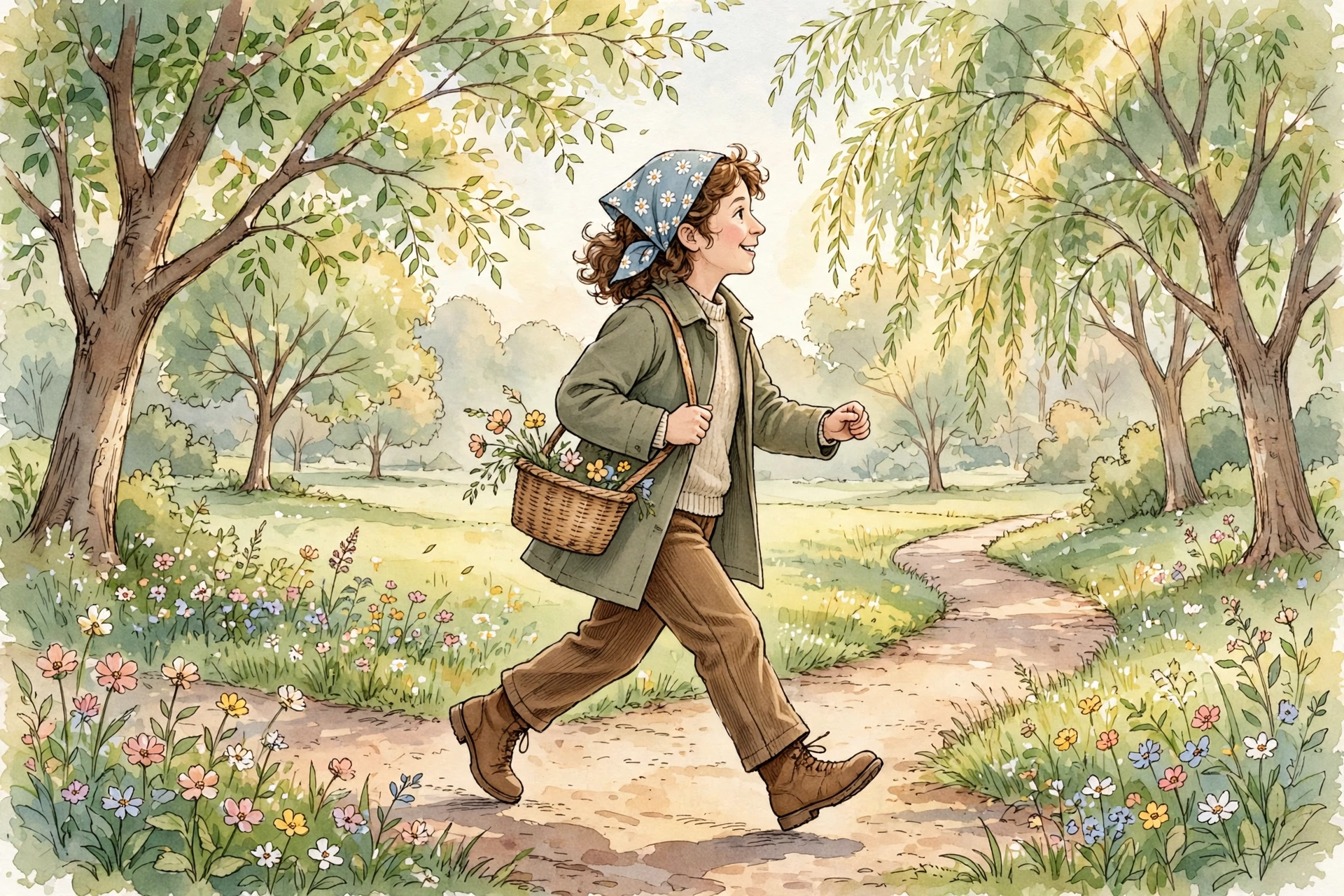
Brisk walking
Jogging
Jumping jacks
Cycling
Swimming
Dancing
The goal is not achieving peak fitness.
The goal is creating movement that helps your nervous system process activation.
Even ten to fifteen minutes of movement can create a noticeable shift in mood and emotional intensity.
P = Paced Breathing
When we are stressed, breathing often becomes shallow, rapid, or restricted.
This sends signals to the brain that danger is present.
Intentional breathing helps communicate the opposite message. A systematic review of slow breathing found it increases heart rate variability and reduces arousal, anxiety, anger, and confusion. [7]
One commonly used practice is:
Inhale through the nose for 4 counts
Hold for 4–7 counts (if comfortable)
Exhale slowly for 6–8 counts
The extended exhale is particularly important because it activates the parasympathetic nervous system, often called the body's "rest and restore" system.
Paced breathing can help:
Reduce anxiety
Lower heart rate
Improve focus
Increase emotional regulation
Your breath is one of the few body systems that is both automatic and under conscious control.
That makes it a powerful tool for self-regulation.
P = Progressive Muscle Relaxation
Stress does not only live in our thoughts.
It lives in our bodies.
Many people carry tension in:
Their jaw
Their shoulders
Their neck
Their hands
Their stomach
Their chest
Progressive Muscle Relaxation (PMR) helps increase awareness of physical tension while teaching the body how to release it. The method was developed by physician Edmund Jacobson in the 1930s, on a simple insight: an emotional state cannot fully persist when the muscles are completely relaxed. [8]
The process is simple:
Tense a muscle group for several seconds.
Notice the sensation.
Slowly release the tension.
Observe the difference between tension and relaxation.
Move to the next muscle group.
This practice helps the body shift from a state of guarding to a state of relaxation.
Over time, many people become more aware of stress signals before reaching emotional overwhelm.
When Should You Use TIPP?
TIPP skills are most effective when emotions feel too intense for other coping strategies.
Consider using TIPP when:
Your anxiety feels out of control
You feel emotionally flooded
You're on the verge of panic
You want to send an impulsive text or email
You're experiencing intense anger
You're feeling overwhelmed by grief
You're struggling to think clearly
TIPP is often most helpful before attempting problem-solving.
First regulate.
Then reflect.
If defensiveness is the pattern that floods you most, our article on Defensive When Triggered? Try This Instead explores the six triggers behind it and what to try instead.
Get the Free Workbook: TIPP Skills Workbook — DBT Distress Tolerance & Nervous System Regulation
This companion workbook helps you practice each TIPP skill when you need it most. Inside: reflection prompts for Temperature, Exercise, Breathing, and Muscle Relaxation; a Nervous System Awareness Tracker where you rate your distress 0–10 before and after a skill; a Personal TIPP Crisis Plan with your warning signs and go-to skills; and gentle self-compassion sentence completions for hard moments.
For reflection alongside therapy, not a replacement for therapy.
TIPP Is Not Avoidance
Some people worry that emotional regulation means ignoring their feelings.
It doesn't.
TIPP is not about suppressing emotions.
It is about creating enough stability to experience emotions safely.
Think of it this way:
If your house is on fire, you put out the fire before redecorating the living room.
Similarly, when emotional distress becomes overwhelming, regulation comes before processing.
Once your nervous system settles, you can return to:
Journaling
Therapy work
Communication
Problem-solving
Boundary setting
Emotional exploration
Working With a Therapist
TIPP can steady a hard moment. But if overwhelm is a regular pattern in your life — if anxiety, anger, or shutdown keep showing up in the same ways — it can help to understand what is underneath the pattern, with someone trained to walk through it with you.
That is the work Amelia does at Compassionate Heart Counseling: trauma-informed therapy that works with the nervous system, not against it, so regulation becomes something your body learns — not just something you white-knuckle through.
If you'd like support building your own regulation plan, you're welcome to reach out. If you'd like to go deeper, The 8 C's of Self Leadership explores the calm, confident self underneath the pain.
Frequently Asked Questions
What does TIPP stand for?
TIPP stands for Temperature, Intense Exercise, Paced Breathing, and Progressive Muscle Relaxation — four DBT distress tolerance skills that calm the body's stress response so the mind can think clearly again.
How fast do TIPP skills work?
Many people notice a shift within minutes. Cold water can slow heart rate quickly through the dive reflex, and a few slow breaths with a long exhale can begin to settle the nervous system right away. The effect is stabilization, not a cure — enough calm to cope with the moment.
Can TIPP skills help with panic attacks?
Yes. TIPP was designed for acute distress, and panic is exactly the kind of moment it fits: cold water on the face and paced breathing are two of the fastest ways to bring arousal down. If panic is frequent, it is worth working with a therapist on what keeps triggering it.
Do TIPP skills replace therapy?
No. TIPP steadies the moment; therapy works on the patterns underneath it. Think of TIPP as first aid and therapy as the longer healing — they work best together.
What if I can't exercise or use cold water?
Adapt the skills to your body. Gentle movement counts — a slow walk, stretching, dancing in your kitchen. A cool damp cloth on your cheeks works when a cold plunge doesn't. Paced breathing and muscle relaxation need no equipment at all.
Reflection Questions
Which TIPP skill feels most accessible to you right now?
How does your body typically signal that you're becoming overwhelmed?
What physical sensations do you notice when you're anxious, angry, or distressed?
Which coping strategies help regulate your nervous system most effectively?
How can you create a personalized "emotional first-aid kit" using TIPP skills?
Final Thoughts
One of the most important truths about emotional regulation is this:
You do not have to feel calm to begin calming yourself.
Many people wait until they feel better before using coping skills.
In reality, coping skills are what help create the shift.
TIPP skills are simple, practical, and grounded in the connection between the mind and body.
They remind us that emotional healing is not only psychological.
It is physiological.
Sometimes the fastest path to emotional relief begins with a cold splash of water, a walk around the block, a slow breath, or releasing tension you've been carrying all day.
Your nervous system is always communicating with you.
Learning how to respond to those signals with compassion and skill is one of the greatest gifts you can give yourself.
Remember: Emotional regulation is not about never becoming overwhelmed. It is about learning how to support yourself when overwhelm inevitably occurs. ❤️
— Amelia Wolter, LMFT
Compassionate Heart Counseling
References
Linehan, M. M. (1993). Cognitive-Behavioral Treatment of Borderline Personality Disorder. Guilford Press.
Porges, S. W. (2011). The Polyvagal Theory: Neurophysiological Foundations of Emotions, Attachment, Communication, and Self-Regulation. W. W. Norton & Company.
van der Kolk, B. A. (2014). The Body Keeps the Score: Brain, Mind, and Body in the Healing of Trauma. Viking.
Kliem, S., Kröger, C., & Kosfelder, J. (2010). Dialectical behavior therapy for borderline personality disorder: A meta-analysis using mixed-effects modeling. Journal of Consulting and Clinical Psychology, 78(6), 936–951. doi:10.1037/a0021015
Malinowski, K. S., Wierzba, T. H., Neary, J. P., Winklewski, P. J., & Wszędybył-Winklewska, M. (2023). Resting heart rate affects heart response to cold-water face immersion associated with apnea. Biology, 12(6), 869. doi:10.3390/biology12060869
Reed, J., & Ones, D. S. (2006). The effect of acute aerobic exercise on positive activated affect: A meta-analysis. Psychology of Sport and Exercise, 7(5), 477–514. doi:10.1016/j.psychsport.2005.11.003
Zaccaro, A., Piarulli, A., Laurino, M., Garbella, E., Menicucci, D., Neri, B., & Gemignani, A. (2018). How breath-control can change your life: A systematic review on psycho-physiological correlates of slow breathing. Frontiers in Human Neuroscience, 12, 353. doi:10.3389/fnhum.2018.00353
Jacobson, E. (1938). Progressive Relaxation. University of Chicago Press.
Disclaimer: This article is for education and reflection only and is not a substitute for professional mental health care. If you are struggling, please reach out to a licensed therapist in your area. If you are in crisis, call or text 988 (Suicide & Crisis Lifeline) in the US. If you are in immediate danger, call 911.
Book an Appointment — visit compassionateheartcounseling.com to book.
