Your Nervous System as Protector, Not Enemy
Why Your Reactions Make Sense (Even If They Feel “Too Much”)
As a trauma-informed therapist, I often remind clients that their nervous system is not broken—it is protective. When difficult or overwhelming experiences occur, especially in childhood, the body adapts to keep us safe. These adaptations are not weaknesses; they are survival strategies, carefully shaped by your lived experience and your body’s deep instinct to keep you alive.
Many people come into therapy believing they are “too sensitive,” “too reactive,” or “not strong enough.” In reality, what often looks like overreaction, shutdown, or avoidance is your nervous system doing exactly what it was trained to do: scan for danger, respond quickly, and prioritize survival over comfort, connection, or emotional expression.
How Trauma “Hard-Wires” Protection Into Your Body
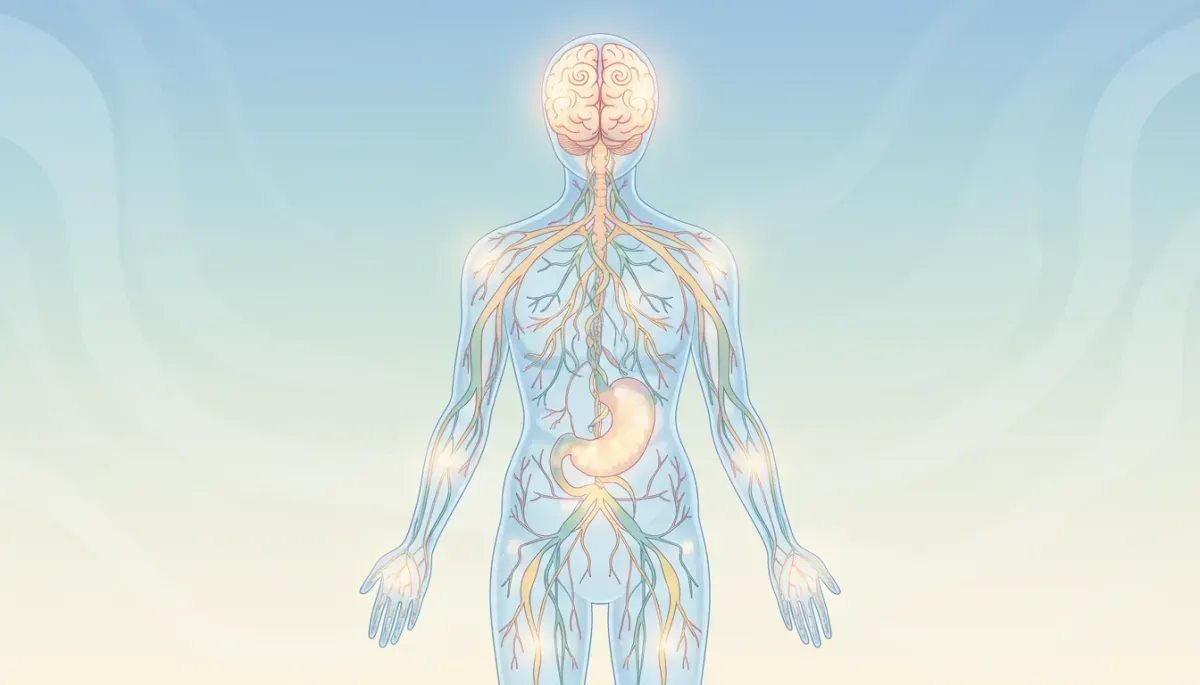
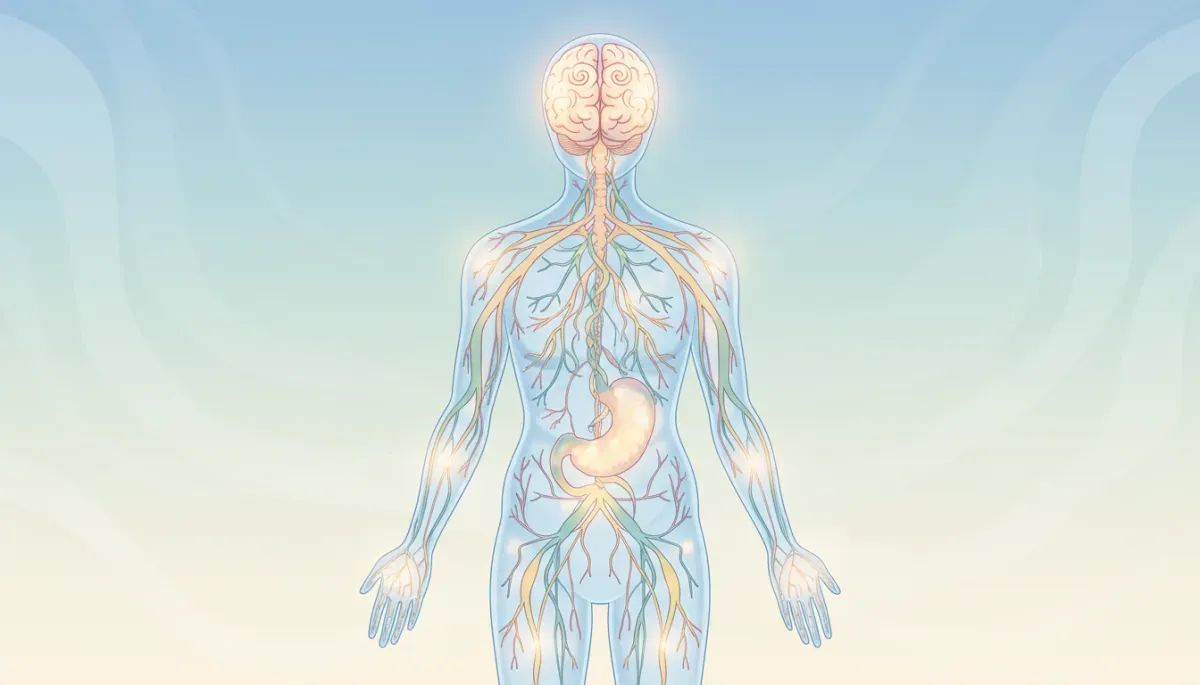
The image reflects an important truth: trauma can “hard-wire” protective responses into your biology. When you were vulnerable, abandoned, or shamed, your body may have learned that emotion equals danger. To survive, your system developed patterns like shutting down feelings, avoiding vulnerability, or disconnecting from others. These responses once served a vital purpose: protecting you from overwhelming pain.
You may notice this in subtle ways: going numb in conflict, changing the subject when conversations get too deep, or feeling a sudden urge to withdraw when someone gets close. These are not random quirks. They are learned responses, built over time, that helped you navigate environments where it did not feel safe to be fully seen, heard, or emotionally honest.
When Old Survival Strategies Show Up in Your Present Life
The challenge is that these old survival strategies can still run in the present, even when you are safe. Your body and nervous system may continue to operate as though danger is always just around the corner. This can look like overreacting to small stressors, feeling emotionally numb, or struggling to trust yourself and others.
You might find yourself bracing for rejection in healthy relationships, assuming the worst when someone is quiet, or feeling on edge in everyday situations that others seem to handle with ease. This does not mean you are “too damaged” or “beyond help.” It means your nervous system has not yet realized that the danger has passed.
💡 Pro Tip: When you notice a strong reaction, try asking yourself, “What is my nervous system trying to protect me from right now?” This shifts the focus from self-blame to compassionate curiosity.
Befriending Your Body: Your Nervous System Is Not the Enemy
It’s important to remember: your nervous system is not your enemy. It has been your bodyguard, shielding you from what once felt unbearable. Healing is not about tearing down that protection but learning to gently retrain it. Through therapy, grounding practices, and safe relationships, you can begin to teach your nervous system that it no longer has to live in constant defense mode.
This might look like practicing slow, steady breathing when you feel overwhelmed, noticing sensations in your body with kindness rather than fear, or allowing yourself to lean into relationships where you are consistently met with care and respect. Over time, these experiences send a new message to your system: “It is safer now. I do not have to fight or flee in every moment.”
📌 Key Takeaway:
You are not “overreacting for no reason.” Your body is responding to old maps of danger that can be gently updated—not erased—with supportive, consistent healing experiences.
Honoring the Past While Creating Safety in the Present
Your healing journey involves honoring the younger self who needed protection, while also creating space for your present self to experience safety, connection, and emotional freedom. You do not have to choose between loyalty to your past and openness to your future; healing holds both.
With time, compassion, and support, your nervous system can learn a new way of being—one where protection is still available when truly needed, but no longer running your life from the shadows. This is not about fixing what is “wrong” with you; it is about recognizing the wisdom of how you survived and gently guiding your body toward a felt sense of safety, ease, and connection.
